
 EN
EN
 AR
AR
 BG
BG
 HR
HR
 CS
CS
 DA
DA
 NL
NL
 FI
FI
 FR
FR
 DE
DE
 EL
EL
 HI
HI
 IT
IT
 JA
JA
 KO
KO
 NO
NO
 PL
PL
 PT
PT
 RO
RO
 RU
RU
 ES
ES
 SV
SV
 CA
CA
 TL
TL
 IW
IW
 ID
ID
 LV
LV
 LT
LT
 SR
SR
 SK
SK
 SL
SL
 UK
UK

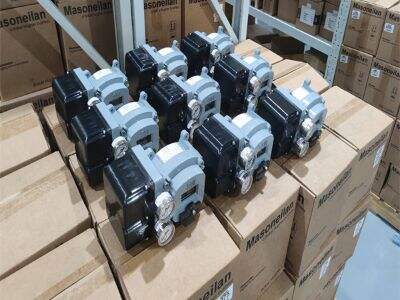
Pneumatic positioners are essential instruments to command machines using air pressure. When those don’t work right, it can mess up the whole system. It’s why checking them — and fixing them — regularly is very important. If you don’t, small nuisances can balloon into big problems that earn downtime or assent to damage. It’s because Xiangjing knows pneumatic positioners can be tricky. From small leaks to locked-up parts, there’s so much that can go wrong. So a neatly laid-out checklist of what to check will save time and keep things moving smoothly. Here’s how to do that well and where to find good parts if you need to replace something
What to check when troubleshooting a pneumatic positioner: Full Guide Open the Positioner and Check Display
When you need to troubleshoot a pneumatic positioner, use this checklist. If you are troubleshooting a pneumatic positioner, the first thing to do is to take at the air supply. Is the pressure steady? "Now and then a positioner will do funny things; it simply isn't responsive." Check to be sure the air filter is clean. Small holes can be clogged, or delicate parts damaged, by dirt or water in the air. Hey, first things first — take a look at the tubing and connections. A small enough leak can cause the system to lose pressure, which screws everything up. Locate leaks by using soapy water or a leak detector spray — bubbles appear in the air that escapes. And don’t forget to inspect the valve stem and linkage as well. If these parts are bent out of shape, or stuck, the positioner will not have proper movement. Occasionally dirt or rust obstructs them. If their pitch changes, a light cleaning or lubrication of them can resolve the issue. Another experiment is to check that the feedback structure works. This is what tells the positioner where the valve is. Without feedback, the positioner can’t fire the valve correctly. You can make adjustments or replace worn parts here(Collider used them in some of their models to great effect). And look at the internal springs and diaphragms of the positioner. Eventually they weaken or rip. When it does, the positioner loses its power or sensitivity. Perhaps replacing this is usually warranted. Know that each is itself a puzzle piece, and missing one can serve only to protect the problem. Occasionally, you will be able to easily identify the culprit. Other times, it requires patience and combing through the checklist over and over. Xiangjing technicians say, “Never rush.” Slowing down and really doing it well prevents errors and conserves effort later. Keeping notes on what you checked also helps you troubleshoot more quickly in the future. Mark your work with clear symbols or pictures as you go. “Sometimes troubleshooting in that manner off the machine will expose hidden issues.” This can help determine whether the positioner itself has a problem or problems are with entire system. Finally, make that you are always using the right tools – the wrong ones can cause harm or miss small issues. This checklist is the key to identifying problems before they lead to bigger issues
Where to Get Premium-Quality Pneumatic Positioner Components for Wholesale Purchase
The need of spare parts to repair pneumatic positioners is not always easy. Low-quality parts may look good but can break fast, or not fit well. Xiangjing knows how annoying this is. That’s why we provide, parts that are built to last. For wholesale customers, purchasing in bulk from a reliable source is an economical and time-saving approach. And make sure to find out whether parts include guarantees or warranties. This is a company that backs up their products. And everything should meet industry standards, as well. Cheap parts can lead to more breakdowns or even safety problems. When buying the parts, inquire about the material. Quality parts tend to be fashioned out of tough metals or hardy plastics that are designed not to wear. Xiangjing’s diaphragms for instance, are fabricated from a special rubber that remains elastic despite years of use. Tubing and fittings should be watertight and simple to put together. Pricing is everything for some sellers, but to Xiangjing quality and support are even more important. Wholesale purchasers may want to factor in lead times. Was owning a liquor store always your goal? “If you can get parts faster, it means less downtime. Xiangjing also stocks many products, so orders go out fast. Develop a relationship with your components supplier, You can also try: 28. That way, you receive advice, priority shipping and assistance with technical questions. It’s better than buying components piecemeal and praying. At times, parts must also be fitted to unique machines. A True supplier can take care of this without additional delays. Compare several offers and read customer reviews or testimonials before buying. Xiangjing customers frequently appreciate our fast responses and attention to details. Always remember; the parts are is to the heart when it comes to your pneumatic positioner’s health. They are a good thing to spend money on and will save you headaches and money in the long run. Don’t just reach for the quick fixes that are not sustainable. Ensure your parts come from a provider that understands what you’re up against, and gives a damn about your success
Issues of pneumatic positioner and their trouble shooting step by step
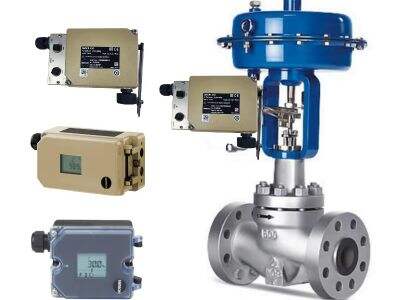
Pneumatic positioners are essential tools that can be used in machine control to move components into the correct place. But, occasionally, they cease to function properly. It can be problematic for many of those machines, slowing down work or putting it at risk. At Xiangjing, we understand the need to address these issues promptly. Air leakage, misalignment and slow responses are typical problems with pneumatic positioners. Air leaks occur when there is a hole or poor connection in the air tubes or seals. This causes pressure to be lost in the positioner and prevents normal operation. Improper movement can occur if the positioner is adjusted incorrectly or worn parts are in the interior. If the positioner is slow to respond, it takes too long for the positioner to change positions and may suffer from dirty parts or sticky valves. To resolve these issues, you should go through a troubleshooting procedure step by step
First, check the air supply. Ensure the correct air pressure and that the air is clean and dry. Wet or dirty air can be harmful. Then, listen for leaks of air with hissing sounds or use soapy water on connections to see bubbles. If it leaks, tighten or change the flange. After that, you may want to inspect the mechanical components of the positioner. Search for shattered springs, eroded seals or loose screws. Clean any dirty parts carefully. Also make sure the settings in your positioner match what the machine requires. In some cases, changing the settings feels enough to fix it. Lastly, test the pivot arm positioner by cycling the positioner through full travel. Observe how it runs and listen for any weird noises. If difficulties persist, swapping in good parts from Xiangjing can do wonders. By doing so, pneumatic positioners will run in good condition, and machines also contribute to eliminate troubles
Where to Get Dependable Wholesale Suppliers of Pneumatic Positioner Parts
It is very important to find good parts for pneumatic positioners. If the parts aren’t any good or don’t fit properly, the positioner would fail again. That is why it is so great to know where you can find trusted wholesale suppliers. he tries to offer high-quality replacement parts for a wide variety of pneumatic positioners." When you’re looking for a wholesale supplier, make sure they have a positive reputation and can offer you parts made of strong materials. Good suppliers ensure that their parts perform well and last a long time. It makes sense to buy wholesale because it is cheaper, particularly if you require many components or operate a large factory. You can also easily find the parts fast when you buy from a reliable wholesale supplier. Which translates to shorter repair waits
When searching for suppliers, also ensure that they offer a broad selection of parts such as seals, valves, springs and air tubes. A good supplier will also help you select the appropriate parts. Some suppliers have websites you can look at to view their merchandise and ask questions simply. At Xiangjing, we offer transparent product information and support to assist clients in choosing the right parts. This will ensure that your pneumatic positioners receive quality parts and operate in great order for many years. Plus, reputable suppliers often offer warranties or guarantees so you can count on the quality. "You can rest assure that dealing Xiangjing takes you less headaches and better performances for your machines
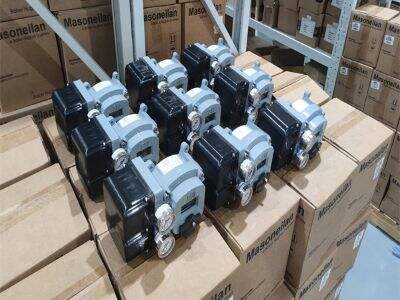
What Tools Are Required to Maintain Pneumatic Positioners in the Field
Maintaining effective performance of pneumatic positioners requires the right tools. At factories and other industrial sites, these types of tools enable workers to address issues quickly without risk. Xiangjing also knows the importance of having good tools to go along with good parts. Pressure gauges, screwdrivers, wrenches, leak detection sprays and cleaning brushes are some of the essential tools required for pneumatic positioners’ maintenance. The pressure gauges assist in verifying that the air supplied to the positioner is at the proper pressure. This is significant since excessive or too little pressure can result in failures. Drivers and wrenches required for opening the positioner, tightening screws, and replacing parts. Leak detection sprays are useful in identifying tiny air leaks that are difficult to detect with your ear. If used on connections, a leak will produce bubbles. Cleaning brushes remove dirt and dust from the inside of the positioner to facilitate smooth parts movement
In addition to these, a quality flashlight is handy for making parts in the positioner visible. At times, workers even use small mirrors to see difficult-to-see areas. Maintenance can be carried out in safety gloves and safety glasses. In the course of using these tools properly, we save time and prevent small problems from growing large. Xiangjing offers tips on how to use tools safely and efficiently maintain pneumatic positioners in their best working condition. And do you know what is “normal price maintenance”? With these and Xiangjing to support, pneumatic positioner is easier, Safety for everyone
Table of Contents
- What to check when troubleshooting a pneumatic positioner: Full Guide Open the Positioner and Check Display
- Where to Get Premium-Quality Pneumatic Positioner Components for Wholesale Purchase
- Issues of pneumatic positioner and their trouble shooting step by step
- Where to Get Dependable Wholesale Suppliers of Pneumatic Positioner Parts
- What Tools Are Required to Maintain Pneumatic Positioners in the Field