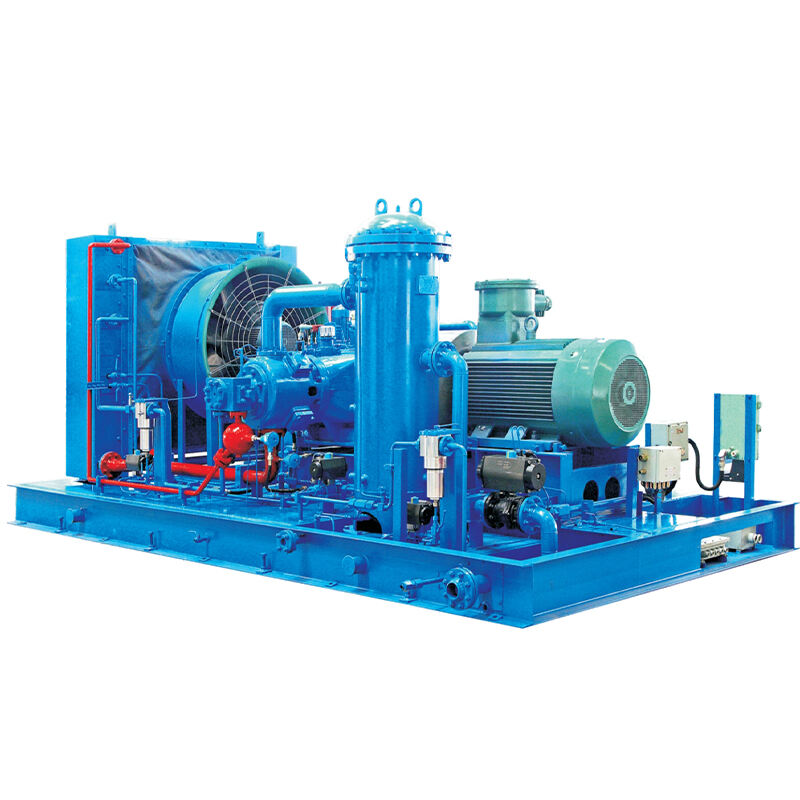
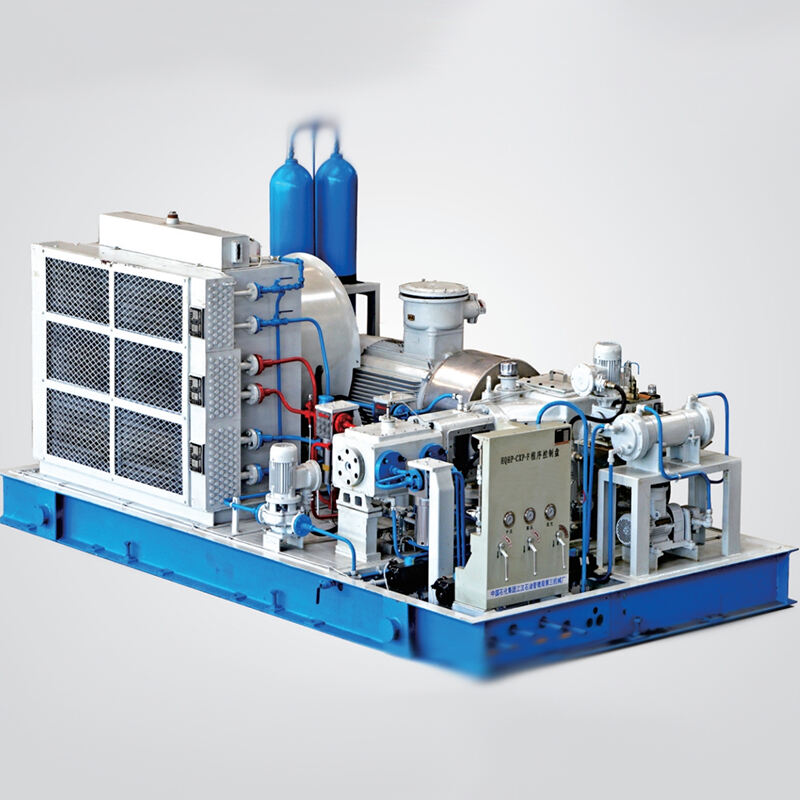
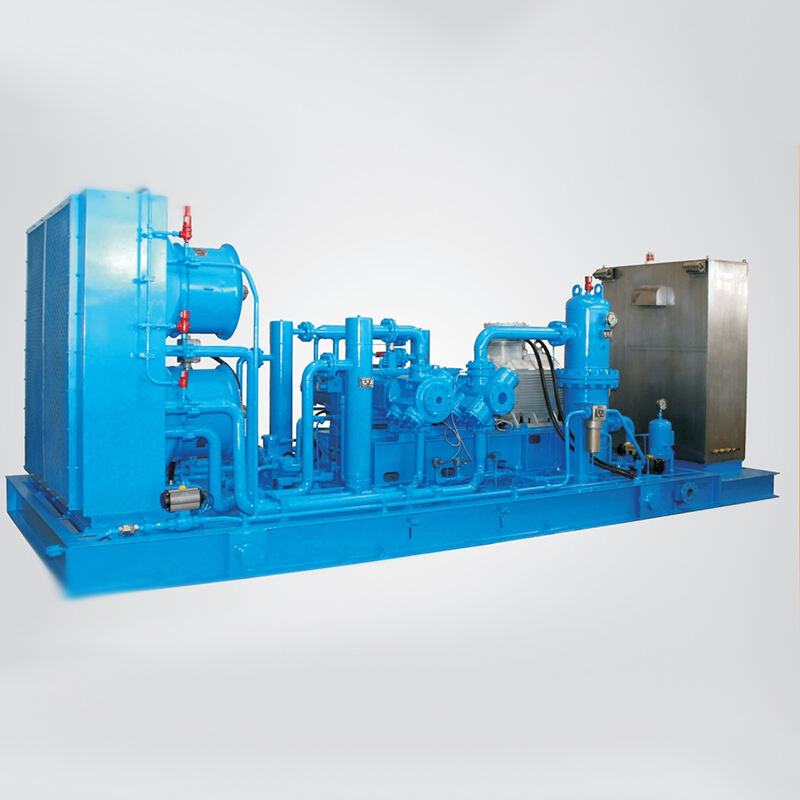
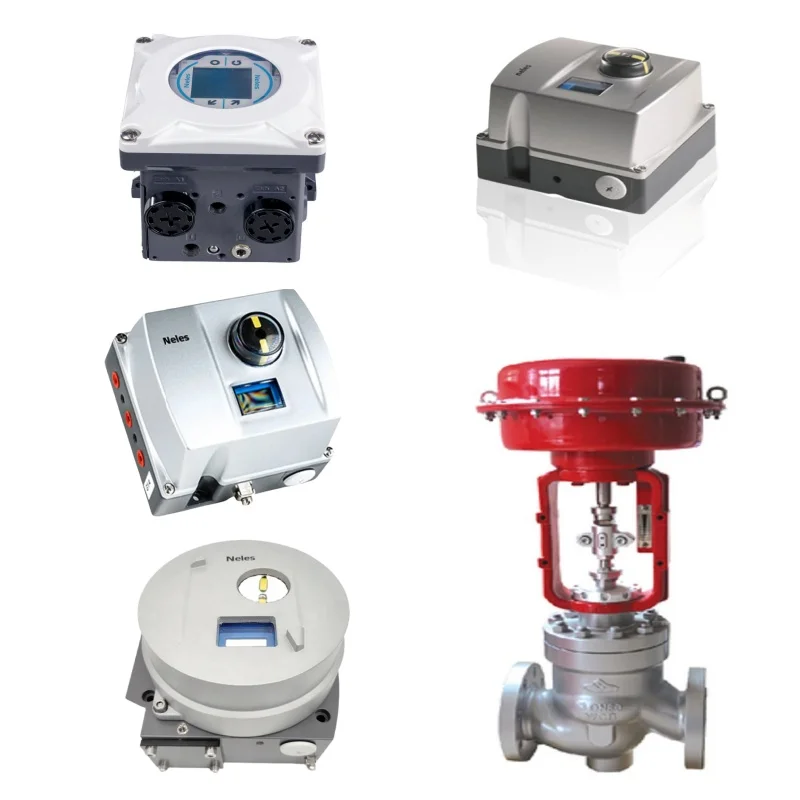
CNG is an acronym for compressed natural gas. It’s the kind of fuel that can be used to run vehicles, including the cars and buses that crowd the world’s roads. Gasoline-powered vehicles are being replaced with CNG vehicles, as they are cleaner for the environment and for your car. It’s time to look at the reasons behind the growing popularity of CNG-powered vehicles.
The use of CNG instead of gasoline is also a cleaner alternative for the air. That's because, when burned in an engine, CNG produces fewer harmful gases. CNG is also less expensive than gasoline, which is beneficial to individuals and businesses trying to save money on fuel.
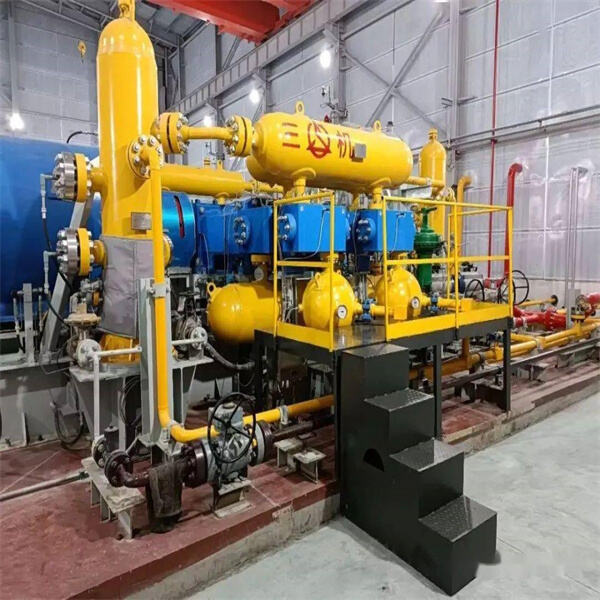
CNG engines produce fewer emissions than gasoline engines. They also produce fewer noxious gases, such as carbon monoxide and nitrogen oxides. This is a potential boon for CNG-fueled vehicles and for cleaner air (and better health) in our communities.
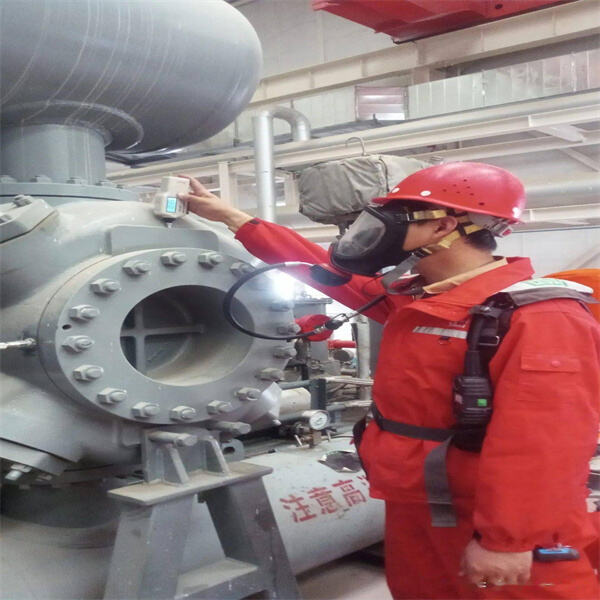
CNG vehicles are equipped with storage canisters to hold compressed natural gas. This gas enters the engine and is burned, generating energy that moves the vehicle. The engine of a CNG vehicle is a special engine designed to run on this type of fuel, This is a cleaner and greener option for transportation.
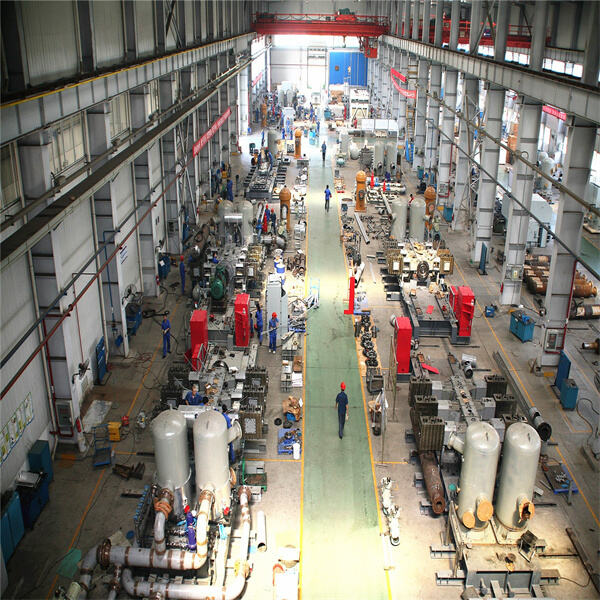
In addition to cars and buses, CNG can be used to fuel trucks, forklifts and trains. This means that CNG is compatible with many kinds of vehicles and machinery. Through CNG applications in many instances, we can minimize our usage of conventional fossil fuels and move toward a better, cleaner future.
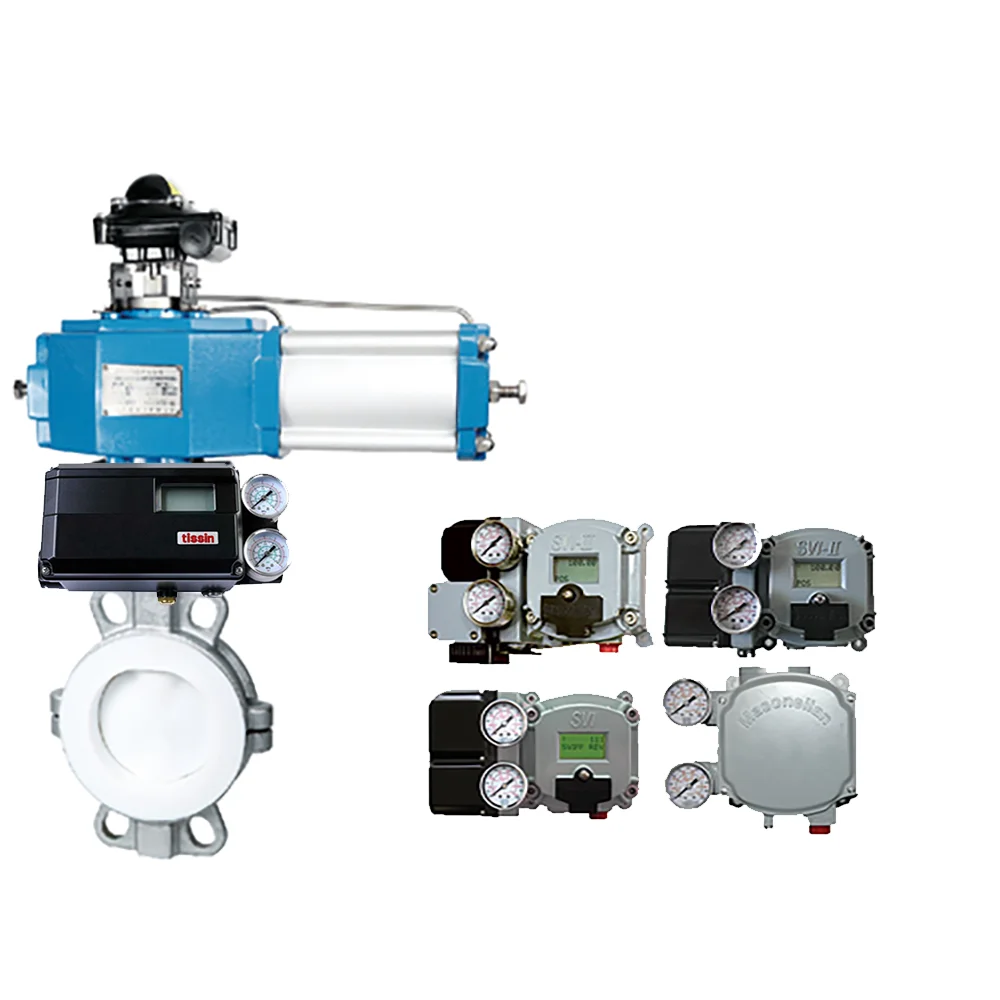
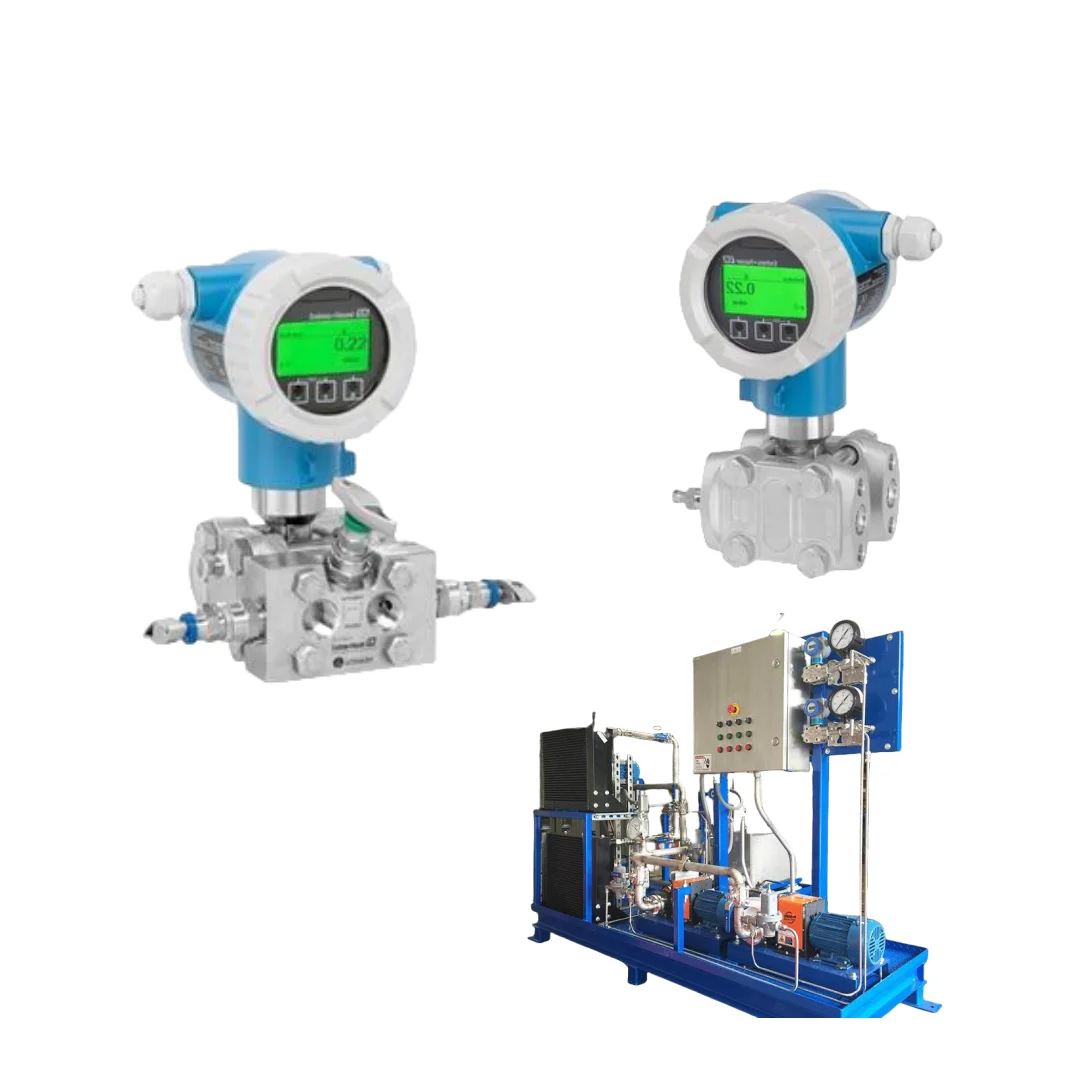
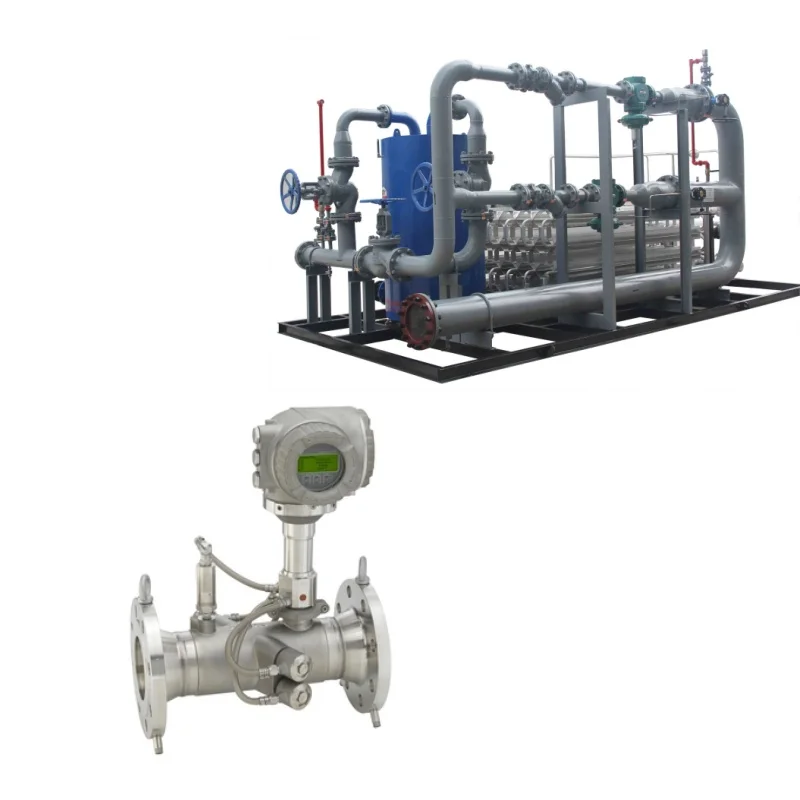
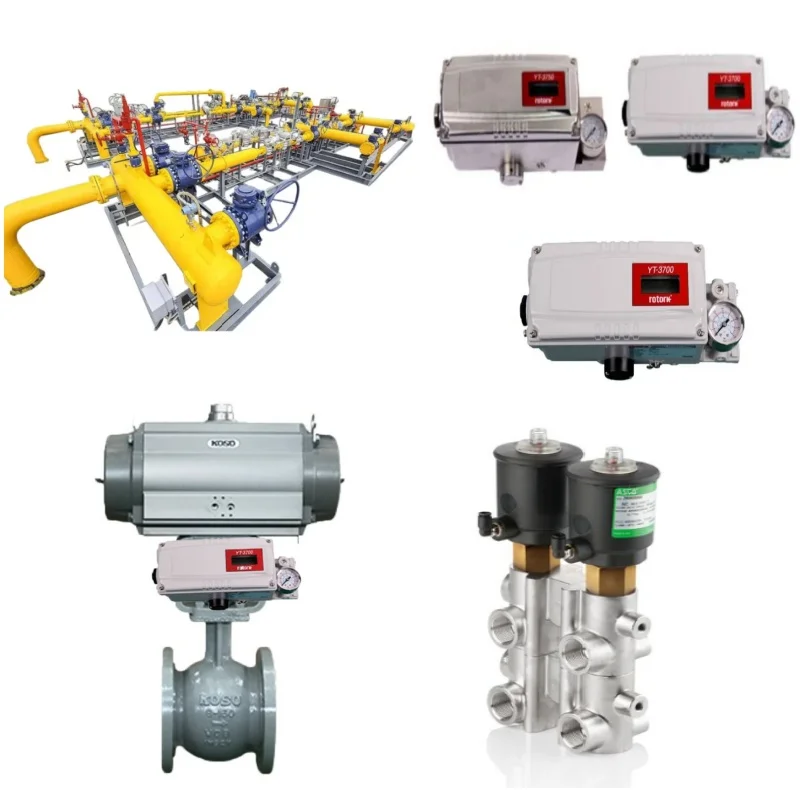
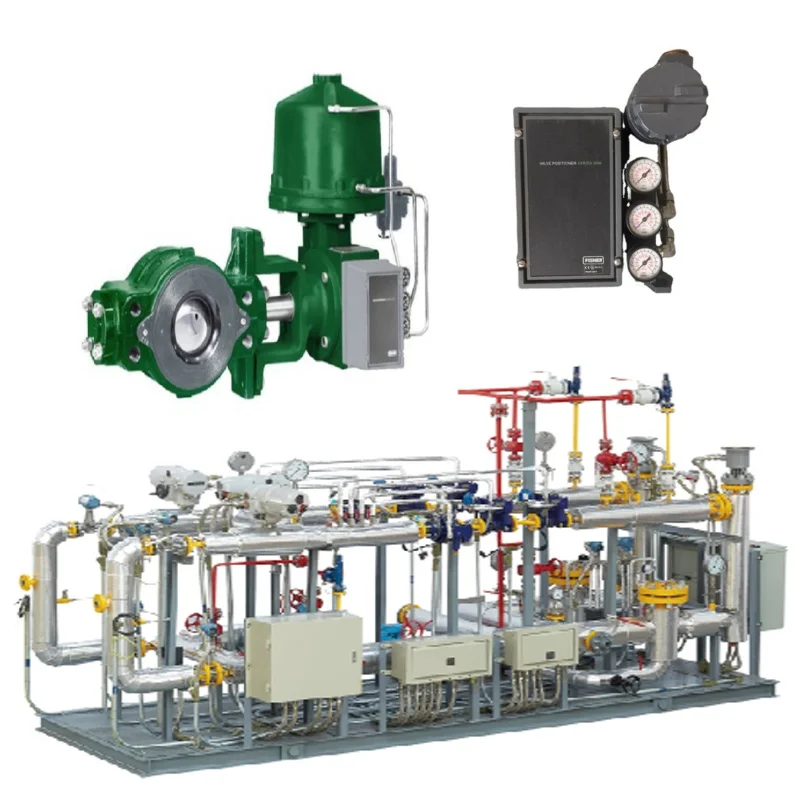
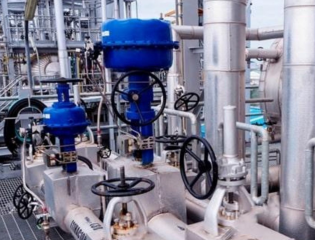
Every needs for automation in your cng powered. We have more than 10 years of experience in developing manufacturing selling and distributing our own products. We are as well representing international brands. Our wide ranges of products spans many sectors and ensures tailored solutions to meets the needs of each customers.
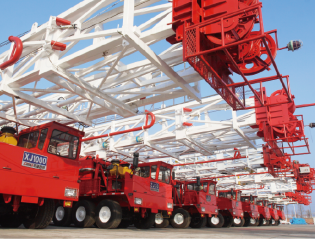
Our oil and gasoline equipment comes from the top Chinese manufacturers, and is the top of the line in quality and cng powered. Supported by extensive R and D and production expertise every product is crafted to meet and exceed the expectations of our customers, while setting new standards for the industry.
We've cng powered, and we serve customers from all over the world. We are able to provide localized services throughout the world as our team is well knowledge of the various regional markets. We're specialists in meeting the needs of each customer and solving difficult problems across different markets.
Our team of over 500 professionals will cng powered throughout the entire process. From pre-sales to after-sales support our professionals deliver expert assistance throughout the entire process. We welcome customers from China meet on site and maintain open communication channels to foster long-lasting partnerships.

 EN
EN
 AR
AR
 BG
BG
 HR
HR
 CS
CS
 DA
DA
 NL
NL
 FI
FI
 FR
FR
 DE
DE
 EL
EL
 HI
HI
 IT
IT
 JA
JA
 KO
KO
 NO
NO
 PL
PL
 PT
PT
 RO
RO
 RU
RU
 ES
ES
 SV
SV
 CA
CA
 TL
TL
 IW
IW
 ID
ID
 LV
LV
 LT
LT
 SR
SR
 SK
SK
 SL
SL
 UK
UK